
Table of Contents
- Introduction to Automation Tools
- Workflow Automation Software
- Robotic Process Automation (RPA)
- Task and Project Management Tools
- Email Automation Tools
- Social Media Automation Tools
- Marketing Automation Platforms
- Customer Relationship Management (CRM) Automation
- AI-Powered Virtual Assistants
- Document and Data Management Automation
- IT Process Automation Tools
- DevOps and Continuous Integration Automation
- Cloud Automation Platforms
- E-commerce Automation Tools
- Accounting and Finance Automation Software
- HR and Recruitment Automation Tools
- Collaboration and Communication Automation
- Reporting and Analytics Automation
- Automation for Personal Productivity
- Future Trends in Automation
Introduction to Automation Tools
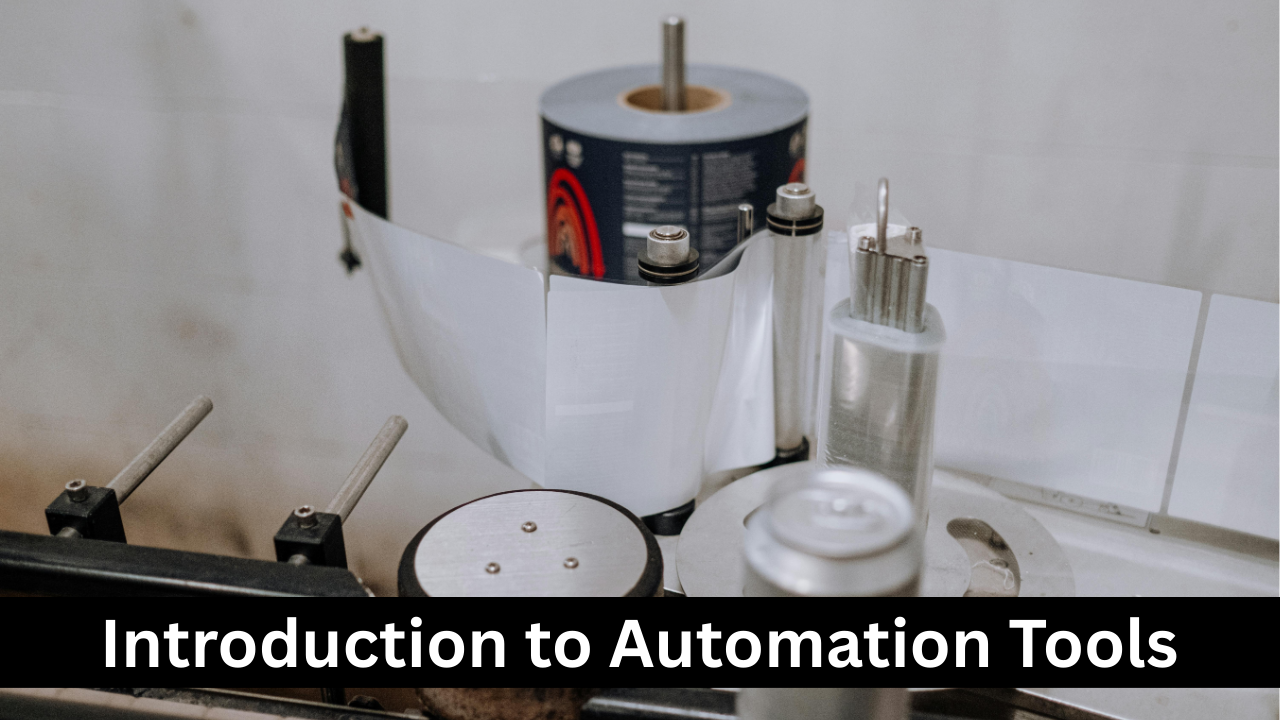
Automation tools are software applications designed to reduce manual effort and streamline repetitive tasks across personal and professional workflows. By automating routine processes, these tools save time, minimize errors, and improve efficiency. Automation is no longer limited to manufacturing or IT; it spans marketing, HR, finance, customer service, and personal productivity. Organizations increasingly rely on automation to optimize operations, enhance decision-making, and scale their businesses. Modern automation tools often incorporate artificial intelligence, machine learning, and analytics, allowing them to adapt to changing patterns and deliver smarter solutions. Understanding the benefits and applications of automation is crucial for businesses and individuals aiming to stay competitive in an increasingly fast-paced world.

Workflow Automation Software
Workflow automation software is designed to streamline complex business processes by automating repetitive tasks and approvals. These tools help organizations map out their processes, define rules, and implement triggers to automatically move tasks from one stage to another. Common examples include automating document approvals, employee onboarding, or service request management. By eliminating manual handoffs, workflow automation improves efficiency, reduces errors, and accelerates project completion. Many tools integrate with email, CRM, and project management software, enabling seamless communication across departments. The result is a consistent, transparent workflow that allows teams to focus on high-value activities rather than routine administrative work.

Robotic Process Automation (RPA)
Robotic Process Automation (RPA) involves using software robots, or “bots,” to mimic human actions when interacting with digital systems. RPA is particularly useful for repetitive, rule-based tasks such as data entry, invoice processing, and customer record updates. Unlike traditional automation, RPA doesn’t require changes to existing systems; bots operate at the user interface level, interacting with applications just as humans do. This makes implementation faster and less disruptive. RPA significantly reduces errors, increases productivity, and allows employees to focus on more strategic tasks. Organizations across finance, healthcare, and supply chain management widely adopt RPA to optimize operations and achieve cost savings.

Task and Project Management Tools
Task and project management tools help teams plan, track, and execute projects efficiently. They automate task assignment, deadline reminders, and progress tracking, reducing the need for manual coordination. Popular tools like Trello, Asana, and Monday.com allow teams to visualize project workflows using Kanban boards, Gantt charts, or calendars. Automation features can include recurring task creation, notifications, and dependency management, ensuring that tasks are completed on time. By centralizing information, these tools enhance collaboration, transparency, and accountability. They are invaluable for managing both small teams and large enterprises, ensuring that projects run smoothly without constant manual oversight.

Email Automation Tools
Email automation tools allow users to schedule, send, and manage email campaigns automatically based on predefined triggers and user behaviors. They are widely used in marketing, sales, and customer support. Features include auto-responders, drip campaigns, and personalized email sequences tailored to user activity or segmentation. For example, a customer who abandons a shopping cart can automatically receive a reminder email. These tools save time by reducing manual outreach, improving response rates, and maintaining consistent communication. Integration with CRM and analytics platforms provides insights into open rates, engagement, and conversion, enabling smarter decision-making and more targeted messaging.

Social Media Automation Tools
Social media automation tools simplify the management of multiple social media accounts by scheduling posts, monitoring engagement, and analyzing performance metrics. Tools like Hootsuite, Buffer, and Sprout Social allow marketers to plan content calendars, automate publishing, and track interactions across platforms. Automation can handle repetitive tasks such as responding to frequently asked questions or curating content, freeing up time for creative strategy. Analytics features help measure campaign effectiveness and optimize content for higher engagement. By maintaining a consistent online presence without manual effort, these tools help businesses strengthen brand awareness, reach target audiences efficiently, and save significant time in managing social media channels.
Marketing Automation Platforms
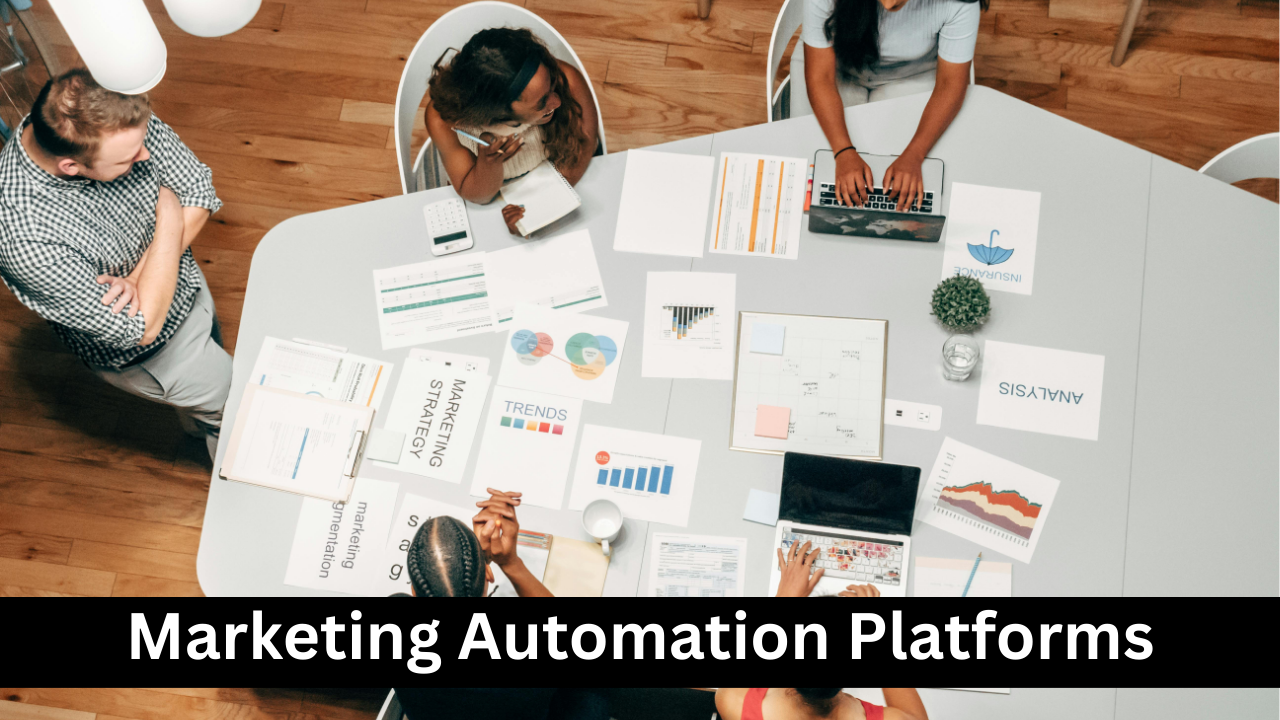
Marketing automation platforms streamline marketing workflows by automating lead generation, customer segmentation, campaign management, and performance tracking. Tools like HubSpot, Marketo, and ActiveCampaign enable marketers to create automated campaigns that respond to customer behavior in real-time. These platforms integrate email, social media, landing pages, and analytics, allowing for multi-channel automation. Benefits include personalized customer journeys, improved lead nurturing, and reduced manual effort in campaign management. Automation helps marketers focus on strategy, content creation, and analytics rather than repetitive tasks. By delivering targeted messages efficiently, businesses can increase conversion rates, customer engagement, and overall marketing ROI.

Customer Relationship Management (CRM) Automation
CRM automation automates repetitive tasks within customer relationship management systems to enhance efficiency and customer satisfaction. This includes automated data entry, follow-up reminders, lead scoring, and customer segmentation. Tools like Salesforce, Zoho CRM, and Microsoft Dynamics allow sales and support teams to focus on meaningful interactions while routine tasks are handled automatically. Automated workflows ensure timely communication, such as sending welcome emails, scheduling follow-ups, or tracking deal progress. By providing a holistic view of customer interactions, CRM automation improves sales performance, strengthens relationships, and allows organizations to deliver personalized experiences consistently, reducing manual workload and human error.

AI-Powered Virtual Assistants
AI-powered virtual assistants, such as ChatGPT, Siri, and Alexa, automate a wide range of tasks by understanding natural language commands. These assistants can schedule meetings, answer queries, draft emails, generate reports, or perform internet research. In businesses, AI assistants enhance productivity by handling repetitive administrative work, freeing employees for strategic or creative tasks. Their ability to learn user preferences and patterns allows for personalized assistance over time. In customer service, virtual assistants provide 24/7 support, handling routine inquiries efficiently. By integrating AI virtual assistants, both individuals and organizations can save significant time, improve accuracy, and optimize daily workflows.

Document and Data Management Automation
Document and data management automation focuses on reducing manual effort in handling large volumes of files and information. Tools automate tasks like document creation, storage, indexing, retrieval, version control, and secure sharing. For example, contracts can be automatically generated, routed for approval, and archived, while data can be extracted, cleaned, and synchronized across systems. Solutions like DocuSign, PandaDoc, and SharePoint provide these capabilities, often with integration into workflow and CRM systems. Automation minimizes errors, ensures compliance, and improves accessibility of information. It significantly reduces administrative burden, enabling organizations to manage information efficiently and make data-driven decisions faster.
IT Process Automation Tools
IT process automation tools are designed to streamline and optimize IT operations by automating routine, repetitive tasks such as system monitoring, patch management, server provisioning, and incident response. These tools reduce manual intervention, minimize human error, and enhance operational efficiency. By automating tasks like backups, software updates, and security monitoring, organizations can ensure consistent system performance and compliance. Popular IT automation tools include Ansible, Puppet, and Chef, which integrate with cloud infrastructure and on-premises systems. This automation allows IT teams to focus on strategic initiatives, reduces downtime, and accelerates response times, ultimately improving overall business continuity.

DevOps and Continuous Integration Automation
DevOps automation focuses on streamlining software development, deployment, and maintenance processes through automation tools and practices. Continuous Integration (CI) and Continuous Deployment (CD) pipelines automate code building, testing, and deployment, reducing manual intervention and errors. Tools like Jenkins, GitLab CI/CD, and CircleCI enable teams to automatically detect code changes, run tests, and deploy updates efficiently. Automation in DevOps accelerates release cycles, enhances collaboration between development and operations teams, and ensures software reliability. By automating repetitive development tasks, teams can focus on innovation, reduce time-to-market, and maintain high-quality software delivery standards, which is crucial in today’s fast-paced technology landscape.
Cloud Automation Platforms
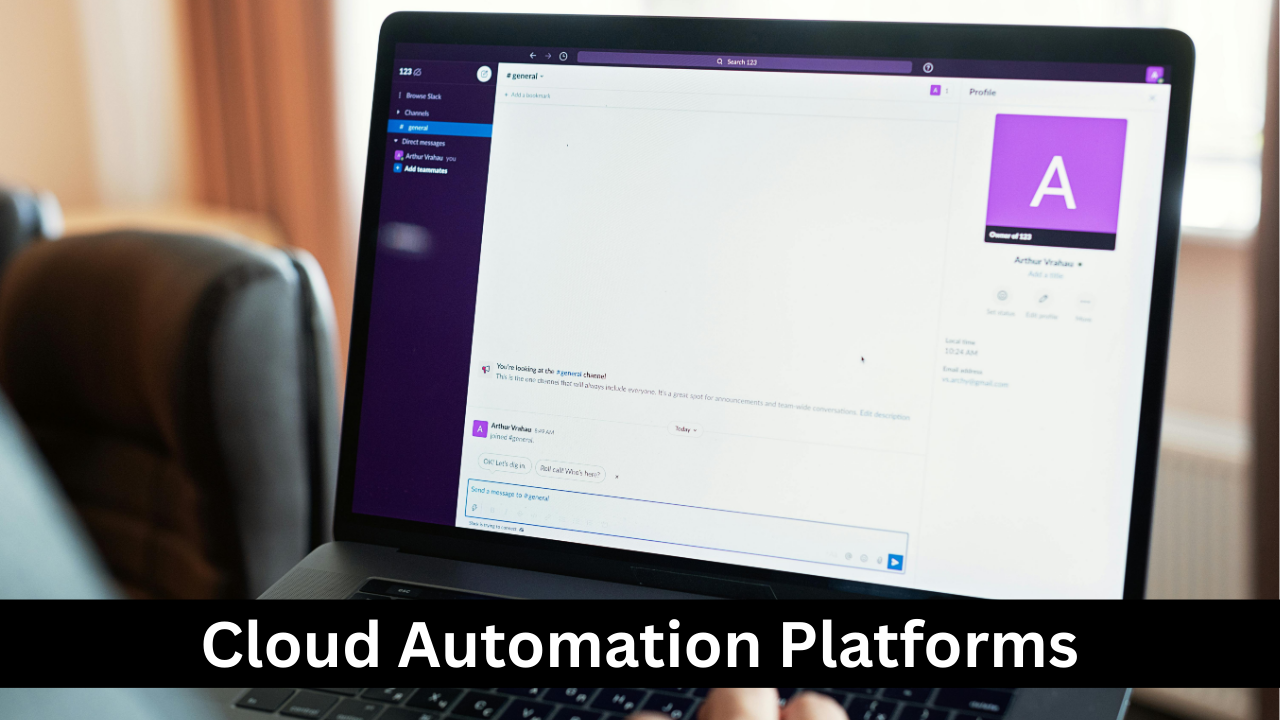
Cloud automation platforms streamline management, deployment, and scaling of cloud infrastructure and services. These tools automate tasks such as server provisioning, load balancing, backups, resource allocation, and security compliance. Platforms like AWS CloudFormation, Microsoft Azure Automation, and Google Cloud Deployment Manager allow organizations to manage complex cloud environments efficiently. Automation reduces manual errors, ensures consistency, and enables rapid scaling to meet changing demand. Businesses benefit from cost optimization by dynamically allocating resources and eliminating underutilized infrastructure. Cloud automation is essential for enterprises adopting multi-cloud or hybrid strategies, providing faster deployment, improved reliability, and operational efficiency without constant manual intervention.

E-commerce Automation Tools
E-commerce automation tools help online businesses streamline sales, marketing, inventory, and customer service operations. These tools can automatically manage product listings, process orders, send shipping notifications, and handle customer inquiries. Platforms like Shopify, Magento, and WooCommerce integrate with automation plugins for email marketing, abandoned cart recovery, and inventory management. Automation reduces human errors, improves operational efficiency, and enhances the customer experience by ensuring timely communication and accurate order processing. By automating repetitive tasks, e-commerce businesses can focus on strategic growth, data analysis, and marketing initiatives, ultimately driving higher revenue and customer satisfaction in a highly competitive online marketplace.

Accounting and Finance Automation Software
Accounting and finance automation software simplifies financial management by automating tasks such as invoicing, payroll, expense tracking, tax calculations, and financial reporting. Tools like QuickBooks, Xero, and Zoho Books integrate with banks, payment gateways, and other business systems to reduce manual data entry and errors. Automation ensures accurate and timely processing of financial transactions while providing real-time insights into cash flow, profitability, and compliance. Finance teams can focus on analysis, budgeting, and strategic decision-making instead of repetitive administrative tasks. This not only saves time but also improves accuracy, reduces risk, and ensures regulatory compliance in an increasingly complex financial environment.
HR and Recruitment Automation Tools
HR and recruitment automation tools streamline human resources operations, including employee onboarding, payroll, performance management, leave tracking, and recruitment. Tools like BambooHR, Workday, and Zoho People automate workflows such as candidate screening, interview scheduling, and employee record management. By automating repetitive HR tasks, organizations can reduce administrative burden, improve accuracy, and enhance the employee experience. Recruitment automation helps identify top talent faster through AI-powered resume parsing, candidate ranking, and automated communication. These tools free HR professionals to focus on strategy, engagement, and development initiatives, while ensuring compliance and efficiency across HR processes.

Collaboration and Communication Automation
Collaboration and communication automation tools enhance team productivity by automating routine communications, notifications, and project updates. Platforms like Slack, Microsoft Teams, and Asana integrate bots, triggers, and workflows to automatically alert team members, schedule meetings, or share project updates. Automation reduces the need for manual follow-ups, eliminates missed deadlines, and ensures that everyone stays informed. These tools facilitate seamless collaboration across departments and geographies, streamlining decision-making and information flow. By reducing repetitive communication tasks, organizations enable teams to focus on creative problem-solving, strategic initiatives, and meaningful interactions, improving both efficiency and workplace satisfaction.

Reporting and Analytics Automation
Reporting and analytics automation tools simplify the collection, processing, and visualization of data to support decision-making. These tools automatically gather data from multiple sources, clean and analyze it, and generate dashboards or reports. Platforms like Tableau, Power BI, and Google Data Studio enable automated insights without manual intervention, providing real-time visibility into business performance. Automation reduces errors, saves time, and allows decision-makers to act faster based on accurate information. Predictive analytics, trend detection, and KPI tracking become more effective when repetitive reporting tasks are automated, empowering organizations to make data-driven decisions and optimize operations efficiently.

Automation for Personal Productivity
Personal productivity automation tools help individuals optimize daily routines, manage tasks, and reduce repetitive work. Tools like Todoist, Notion, Zapier, and IFTTT automate reminders, task organization, note-taking, and integration between apps. For example, a user can automatically save email attachments to cloud storage or sync calendar events across devices. By automating routine personal tasks, individuals can focus on high-priority work, learning, or creative activities. Personal productivity automation improves time management, reduces stress, and enhances organization. With AI and smart automation, these tools can even suggest optimal workflows, helping individuals achieve more in less time.

Future Trends in Automation
The future of automation promises even more intelligent, adaptive, and interconnected solutions. Emerging trends include AI-driven decision-making, hyper-automation (combining multiple automation technologies), autonomous workflows, and predictive analytics. Robotics, machine learning, and IoT integration will expand automation beyond traditional office tasks to manufacturing, healthcare, logistics, and smart cities. Automation will increasingly focus on personalization, context-aware processes, and proactive problem-solving. While automation reduces manual effort, it also reshapes job roles, emphasizing strategic thinking, creativity, and complex problem-solving. Organizations and individuals who adopt and adapt to these trends will gain a competitive edge, improved efficiency, and the ability to leverage technology for innovation.