Table of Contents
- Introduction to AI Productivity Tools
- AI for Task Automation
- AI Writing & Content Generation Tools
- AI-Powered Research Assistants
- AI Tools for Data Analysis & Visualization
- AI Tools for Project Management
- AI for Email Management & Automation
- AI Meeting Assistants & Transcription Tools
- AI Time-Tracking & Productivity Monitors
- AI Tools for Brainstorming & Idea Generation
- AI Graphic Design & Image Creation Tools
- AI Tools for Coding & Software Development
- AI for Customer Service & Chat Automation
- AI Tools for Sales & Lead Generation
- AI Marketing & Social Media Automation Tools
- AI Tools for Workflow Integration (Zapier-type automation)
- AI Cybersecurity & Threat Detection Tools
- AI Tools for HR & Talent Management
- AI Tools for Learning & Skill Development
- Future Trends & The Evolving Role of AI in Work Performance
Introduction to AI Productivity Tools
Artificial Intelligence (AI) productivity tools are designed to optimize workflows, save time, and enhance efficiency across professional tasks. These tools leverage machine learning, natural language processing, and predictive analytics to automate repetitive tasks, provide insights, and support decision-making. From simplifying communication to accelerating data analysis, AI tools are reshaping how individuals and organizations work. Understanding the different types of AI tools available is essential for maximizing their potential. Whether you are a freelancer, a manager, or part of a large enterprise, integrating AI into daily routines can lead to improved performance, reduced errors, and more time for strategic work.
AI for Task Automation
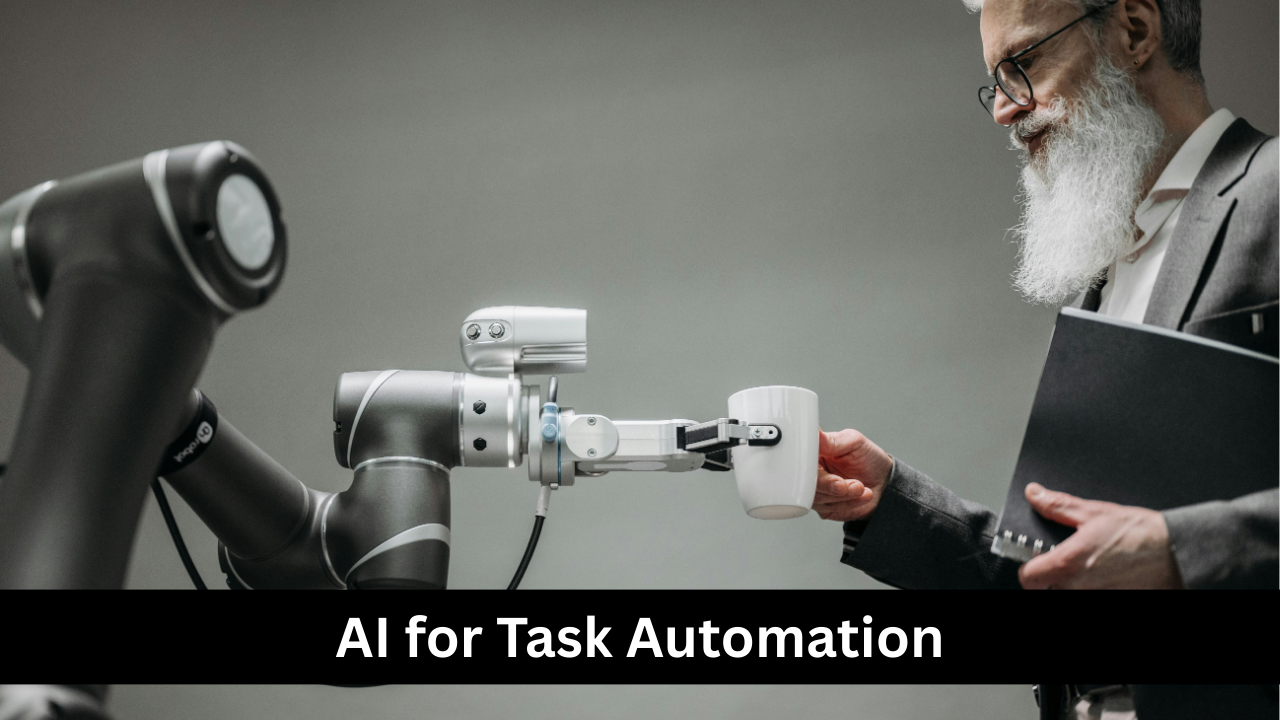
Task automation AI tools help eliminate repetitive, manual tasks, allowing employees to focus on higher-value work. Examples include automating report generation, scheduling, data entry, and notifications. By using AI-powered automation, businesses can reduce human error, improve consistency, and speed up workflow processes. Tools like robotic process automation (RPA) software, AI schedulers, and smart workflow managers can handle routine tasks efficiently. Integrating these solutions ensures that time-consuming, low-priority tasks no longer drain employee productivity. Task automation not only improves performance but also enhances job satisfaction by freeing staff from mundane work.
AI Writing & Content Generation Tools
AI writing tools use natural language processing to assist with drafting, editing, and generating high-quality content. These tools can create blog posts, marketing copy, emails, reports, and more in a fraction of the time it would take manually. Popular AI writing platforms can suggest alternative wording, correct grammar, optimize for SEO, and even mimic specific writing styles. For professionals in content creation, marketing, or communications, these tools reduce workload while maintaining quality. Additionally, AI writing assistants can generate ideas and outlines, ensuring creativity is supported by efficiency and consistency across all written materials.
AI-Powered Research Assistants
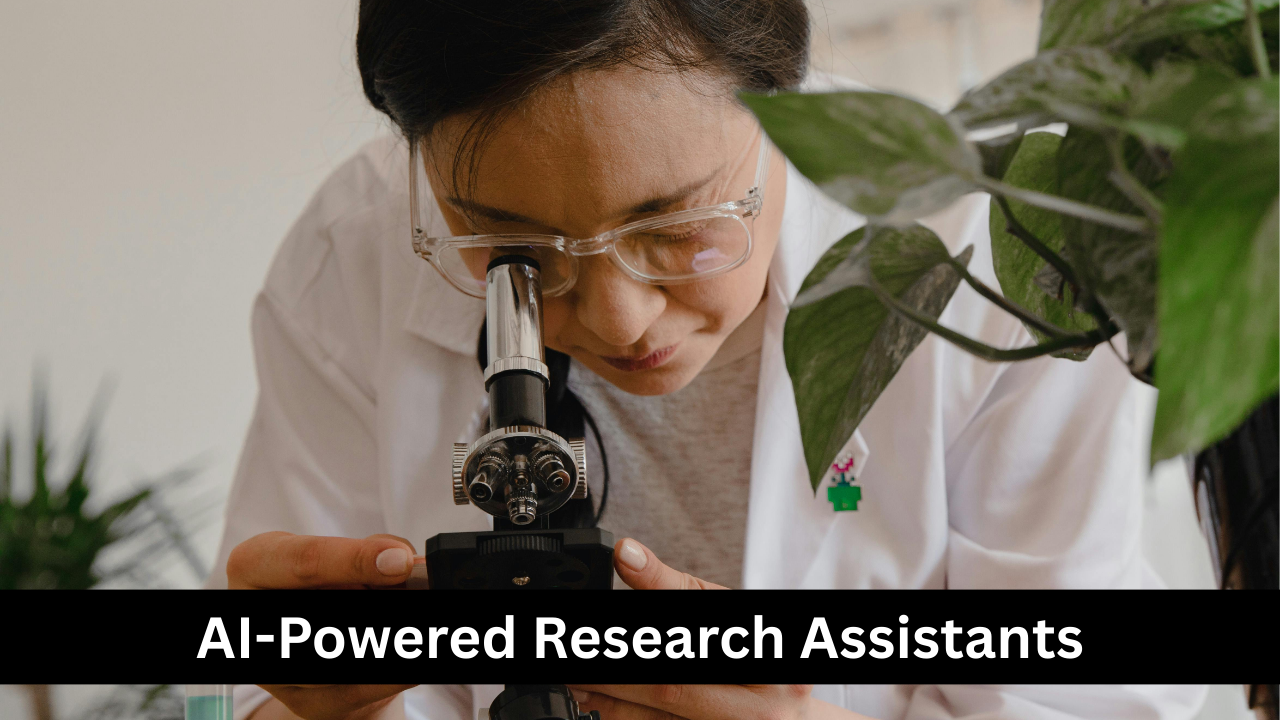
AI research tools streamline the process of collecting and analyzing information. These tools can quickly sift through large datasets, academic papers, and online sources to provide relevant insights, summaries, or trends. They reduce the time spent manually searching for credible sources and ensure that decisions are data-driven. AI assistants can also monitor news, competitors, and industry developments, delivering real-time alerts to professionals. This capability is particularly valuable in fast-paced industries where staying updated is critical. With AI-powered research assistants, professionals can focus on interpreting findings and making strategic decisions rather than spending hours gathering data.
AI Tools for Data Analysis & Visualization
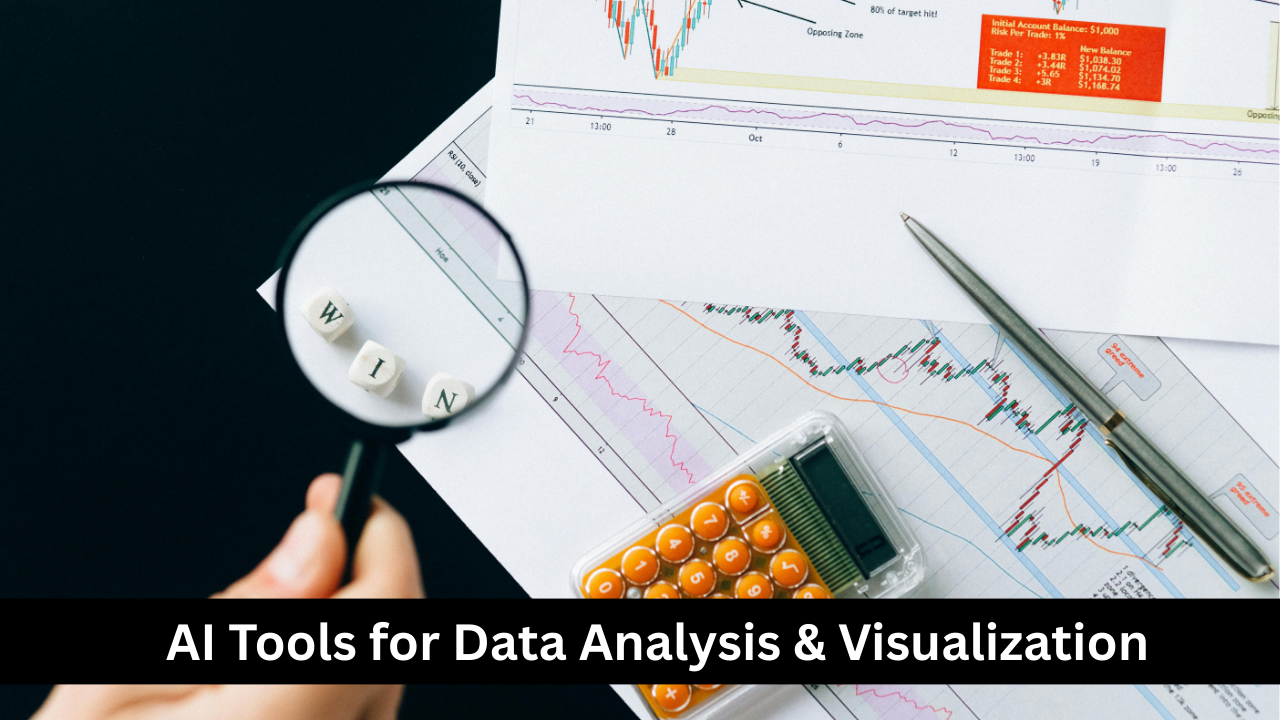
Data analysis AI tools simplify the complex process of interpreting large datasets. Using machine learning algorithms, these tools identify trends, patterns, and anomalies that may not be obvious to humans. Data visualization features allow users to create charts, graphs, and dashboards for easier interpretation and communication of insights. By transforming raw data into actionable information, AI analytics tools support better decision-making in marketing, sales, operations, and finance. These tools also automate repetitive tasks such as report generation and predictive forecasting, enabling professionals to allocate more time to strategy and planning rather than manual calculations.
AI Tools for Project Management
AI-powered project management tools enhance productivity by streamlining task assignment, progress tracking, and deadline management. These tools can predict project timelines, suggest resource allocation, and identify potential risks before they occur. By analyzing team performance and work patterns, AI project managers offer actionable insights that help optimize workflow efficiency. Features such as automated reminders, smart scheduling, and collaborative dashboards reduce bottlenecks and ensure projects stay on track. For managers and teams, AI in project management provides clarity, accountability, and efficiency, enabling better coordination and faster project delivery without compromising quality.
AI for Email Management & Automation
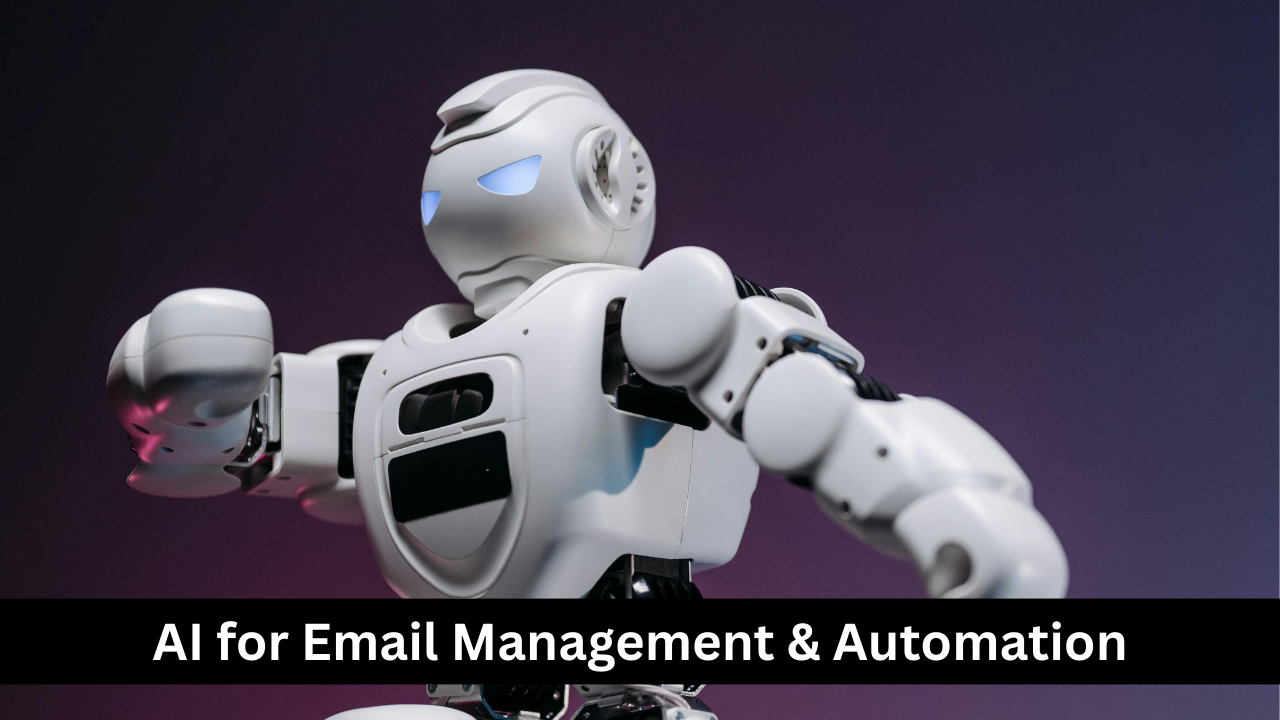
Email management AI tools help professionals handle the overwhelming volume of daily messages. They can automatically sort, prioritize, and categorize emails based on importance, sender, or content. AI tools can draft responses, schedule follow-ups, and even detect spam or phishing attempts. This automation saves significant time while ensuring that important communications are not overlooked. For sales teams, AI can also analyze email interactions to suggest the best responses or predict engagement levels. By streamlining email workflows, these tools reduce cognitive load, improve responsiveness, and allow professionals to focus on higher-value tasks rather than constantly managing their inboxes.
AI Meeting Assistants & Transcription Tools
AI meeting assistants improve productivity by automating tasks related to meetings. They can schedule meetings intelligently, transcribe discussions in real time, summarize key points, and highlight action items. Some tools can even integrate with project management software to assign tasks based on meeting outcomes. AI transcription services ensure that meeting notes are accurate and searchable, reducing time spent on manual documentation. This not only improves communication and accountability but also helps teams retain important information and collaborate more effectively. By using AI assistants for meetings, organizations can make discussions more productive and actionable.

AI Time-Tracking & Productivity Monitors
AI time-tracking tools monitor work activity to provide insights into productivity patterns. These tools can track application usage, task completion rates, and idle time, helping professionals understand how they spend their workday. Advanced AI systems can suggest productivity improvements, prioritize tasks, and detect potential burnout risks. For managers, AI monitoring tools offer objective data on team performance, helping identify areas for training or process optimization. By providing real-time feedback and actionable recommendations, these tools empower individuals and organizations to optimize time management, reduce inefficiencies, and achieve higher performance without constant manual tracking.
AI Tools for Brainstorming & Idea Generation
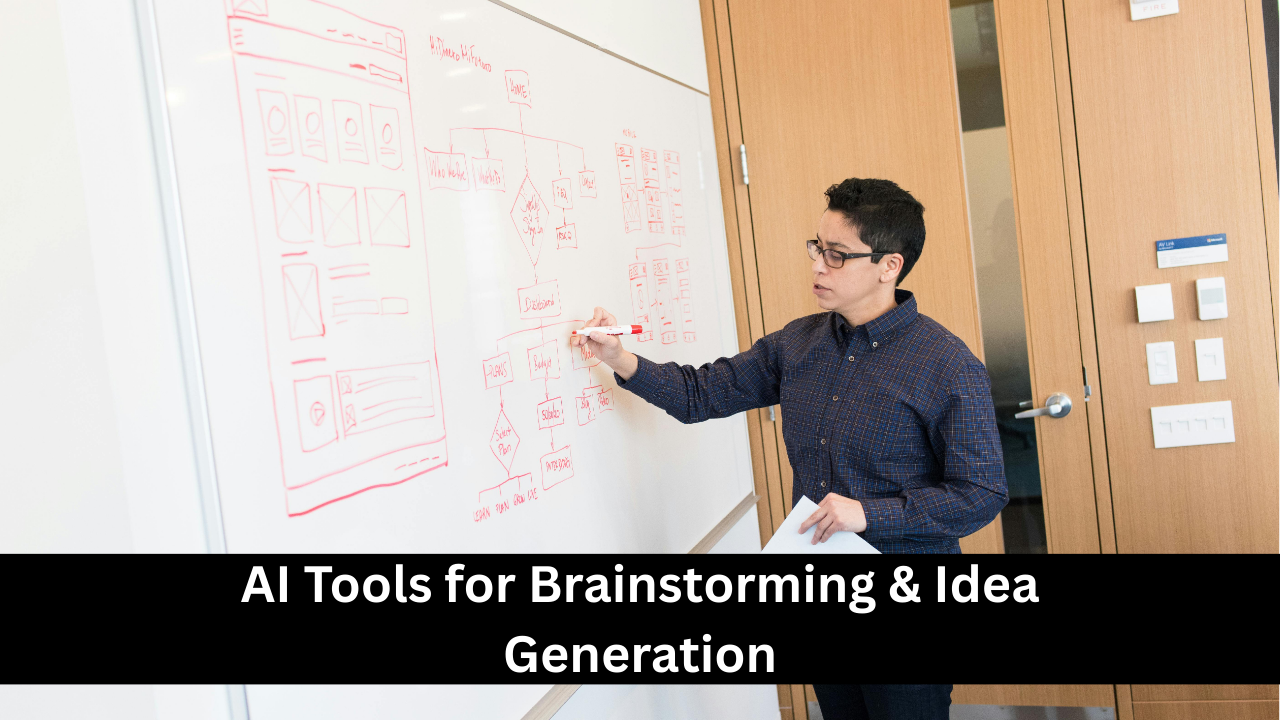
AI brainstorming tools assist in generating creative ideas quickly. By analyzing existing data, trends, and patterns, these tools suggest innovative concepts for marketing campaigns, product development, problem-solving, or content creation. Some platforms use natural language processing to expand on seed ideas, while others provide visual representations of concepts. AI brainstorming reduces mental blocks and accelerates the creative process, allowing teams to explore a wider range of possibilities in less time. By providing diverse perspectives and suggestions, these tools enhance collaboration, inspire creativity, and help professionals turn abstract ideas into actionable strategies efficiently.
AI Graphic Design & Image Creation Tools
AI graphic design tools enable professionals to create visual content quickly and efficiently. Using machine learning and generative AI, these tools can produce logos, banners, social media posts, and illustrations based on text prompts or templates. They can also enhance images, remove backgrounds, and suggest design improvements, helping non-designers produce professional-quality visuals. For marketers, designers, and content creators, AI reduces the time spent on repetitive design tasks while maintaining creative quality. Additionally, AI can generate multiple design variations, allowing users to experiment and iterate rapidly. These tools streamline the creative workflow and support consistent branding across digital platforms.
AI Tools for Coding & Software Development
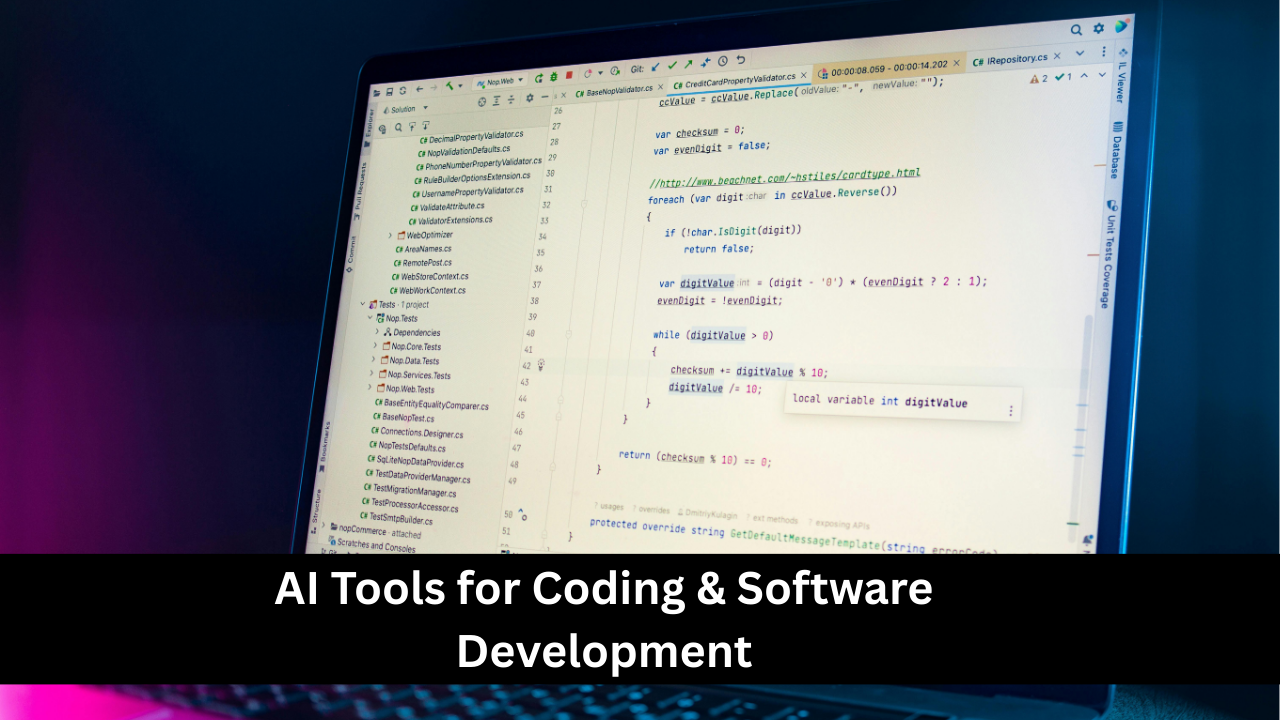
AI coding assistants accelerate software development by suggesting code snippets, detecting bugs, and even generating entire functions or modules. Tools leveraging AI can learn from existing codebases to recommend best practices, improve efficiency, and reduce errors. Developers can use these assistants for debugging, testing, and documentation, saving time while maintaining quality standards. AI tools also help teams adopt new programming languages faster by providing real-time support and guidance. By automating repetitive coding tasks, developers can focus on complex problem-solving, innovation, and project optimization. AI-powered coding accelerates software delivery and increases overall productivity in development projects.
AI for Customer Service & Chat Automation
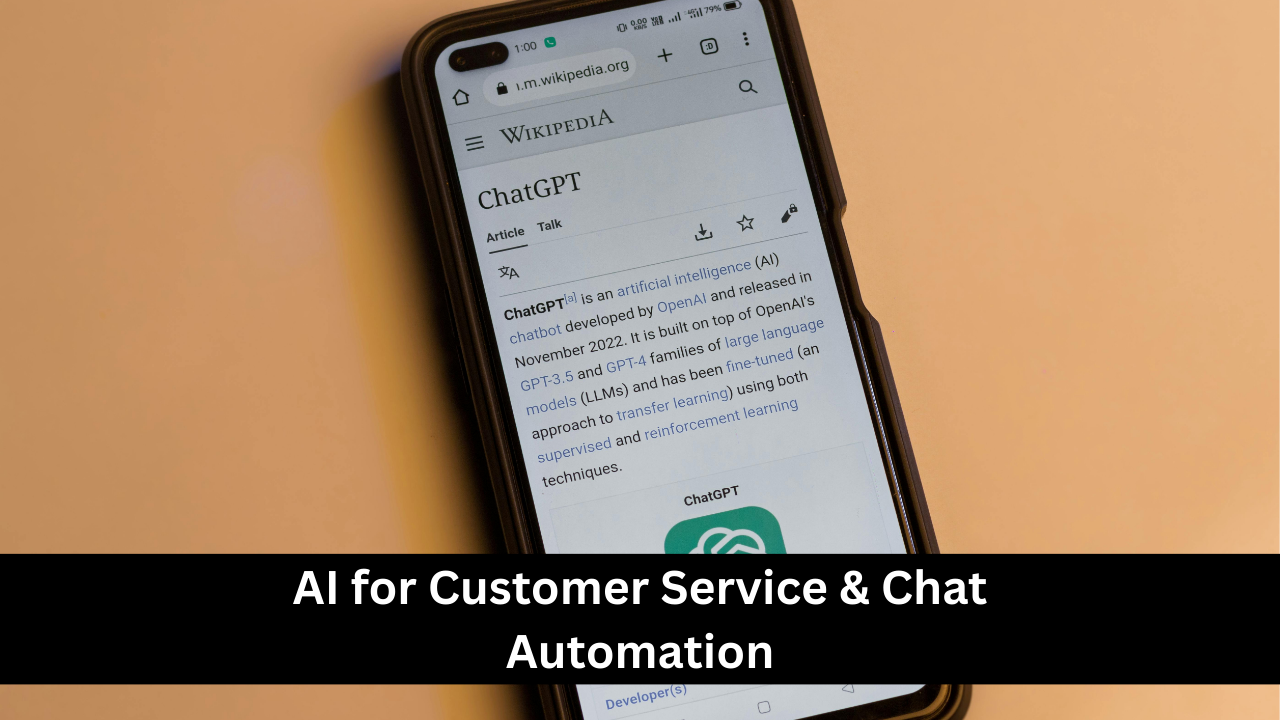
AI customer service tools enhance support by providing instant responses, automating frequently asked questions, and routing complex issues to human agents. Chatbots, virtual assistants, and AI-driven help desks improve response times, reduce operational costs, and ensure consistency in communication. By analyzing customer interactions, AI can also predict issues, suggest solutions, and personalize responses, increasing customer satisfaction. These tools allow support teams to focus on high-priority cases while maintaining 24/7 service availability. For businesses, integrating AI in customer service improves efficiency, retention, and scalability, enabling organizations to provide better support without overwhelming their human workforce.
AI Tools for Sales & Lead Generation
AI sales tools help teams identify potential leads, score prospects, and optimize outreach strategies. Using predictive analytics, these tools analyze customer behavior, buying patterns, and engagement metrics to prioritize high-value leads. AI can automate email campaigns, schedule follow-ups, and even draft personalized messages for prospects. Sales teams can leverage AI insights to forecast revenue, identify opportunities, and optimize pipelines. By reducing time spent on manual prospecting and repetitive tasks, AI enables sales professionals to focus on building relationships and closing deals. This leads to increased efficiency, higher conversion rates, and more predictable sales performance.
AI Marketing & Social Media Automation Tools
AI marketing tools assist in content creation, campaign optimization, and audience targeting. They can analyze engagement data, recommend posting times, and generate social media captions or advertisements. AI platforms also perform sentiment analysis, track competitors, and measure ROI, providing actionable insights for marketing strategies. By automating repetitive marketing tasks like scheduling posts or managing campaigns, professionals can save time and focus on creative and strategic initiatives. AI ensures personalized messaging, better targeting, and higher audience engagement, allowing marketing teams to scale efforts efficiently while maintaining consistent brand communication across multiple channels.
AI Tools for Workflow Integration
AI workflow integration tools, such as automation platforms, connect different software applications to streamline processes. They enable the automatic transfer of data, triggering actions across tools without manual intervention. For instance, an AI integration can automatically update a CRM after a customer interaction or generate reports from project management software. These tools reduce redundancy, minimize errors, and ensure smoother collaboration between teams. By centralizing and automating workflows, professionals can save significant time, improve data consistency, and maintain productivity across departments. AI-powered integration allows organizations to work smarter, not harder, by connecting their digital ecosystem efficiently.

AI Cybersecurity & Threat Detection Tools
AI cybersecurity tools enhance organizational security by detecting threats, anomalies, and potential breaches in real time. Machine learning algorithms can identify unusual patterns, flag suspicious activity, and predict vulnerabilities before attacks occur. AI tools also automate threat response, reducing the time needed to neutralize risks. For businesses handling sensitive data, these tools are critical for compliance, risk management, and data protection. By continuously monitoring systems and analyzing emerging threats, AI improves overall resilience against cyberattacks. Incorporating AI in cybersecurity allows IT teams to proactively secure digital assets while focusing on strategic initiatives rather than reactive problem-solving.
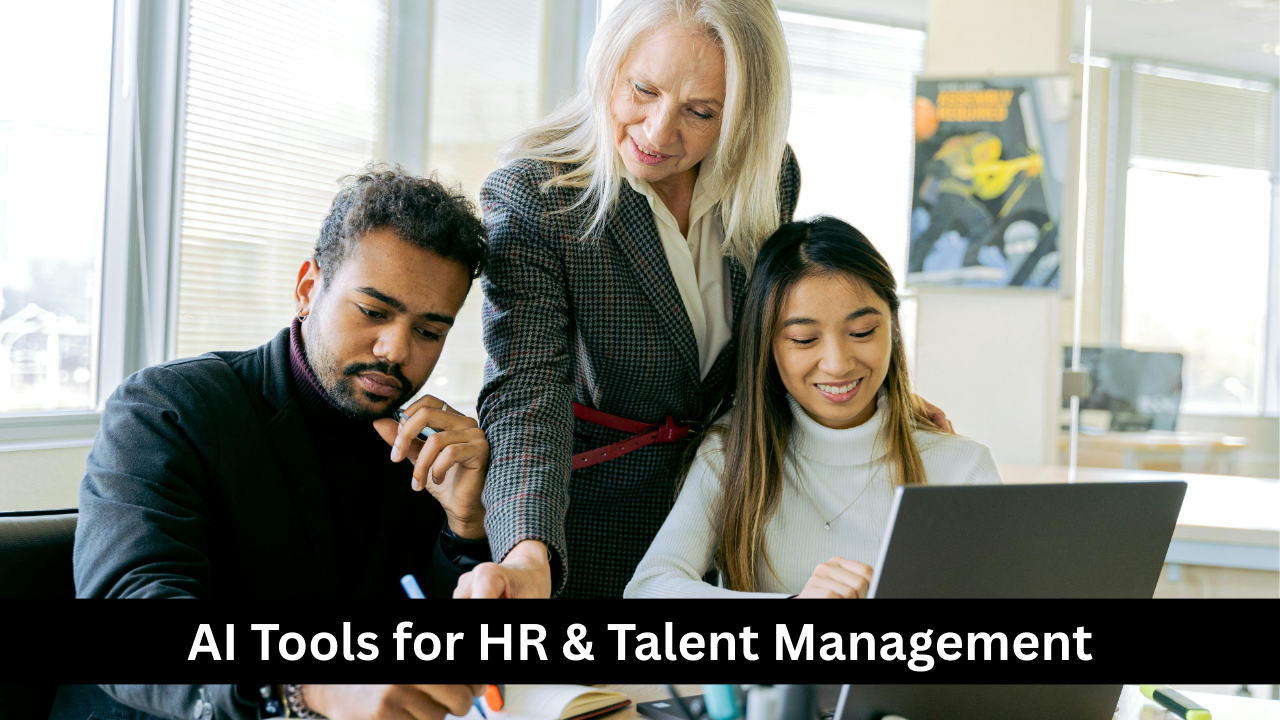
AI Tools for HR & Talent Management
AI in human resources streamlines recruitment, performance evaluation, and employee engagement. AI-powered tools can screen resumes, match candidates to roles, and even conduct preliminary assessments. They help identify skill gaps, predict employee attrition, and suggest personalized development plans. AI tools also assist in workforce planning by analyzing productivity trends and team dynamics. By automating repetitive HR tasks, professionals can focus on strategy, employee development, and organizational culture. AI enhances fairness in hiring by reducing human biases, improves retention through predictive insights, and optimizes talent management processes, ultimately boosting organizational performance and employee satisfaction.
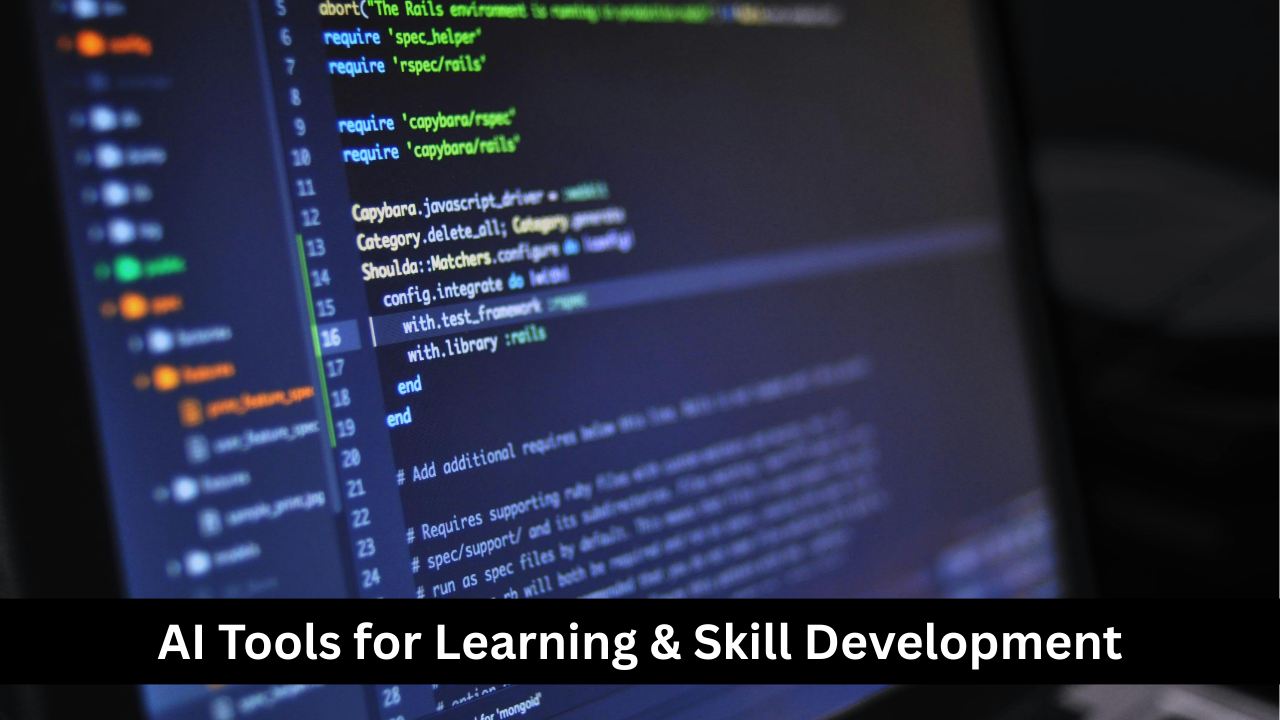
AI Tools for Learning & Skill Development
AI-powered learning tools personalize education and professional development by analyzing individual progress, strengths, and weaknesses. They can recommend courses, create adaptive learning paths, and provide instant feedback to accelerate skill acquisition. In corporate environments, AI training platforms help employees upskill efficiently, improving performance and productivity. AI can also simulate real-world scenarios, offering interactive and immersive learning experiences. By tracking learning metrics and engagement, these tools ensure that training is effective and aligned with business goals. Integrating AI in learning empowers employees to grow continuously, stay competitive, and contribute more effectively to organizational success.
Future Trends & The Evolving Role of AI in Work Performance
AI’s impact on work performance will continue to expand as technologies become more sophisticated and accessible. Future trends include more intuitive AI assistants, hyper-automation, predictive analytics, and augmented decision-making tools. AI will increasingly collaborate with humans rather than just automate tasks, enhancing creativity, problem-solving, and strategy. Ethical AI, transparency, and human-AI interaction design will become crucial considerations. Professionals will need to adapt by learning how to leverage AI effectively and ethically. Embracing AI’s evolving capabilities will not only enhance productivity but also transform workplace culture, redefine roles, and open opportunities for innovation and efficiency across industries.