
Table of Contents
- Introduction to Technology Tools in 2025
- Version Control Systems: Git & GitHub
- Cloud Computing Platforms: AWS, Azure, GCP
- Programming Languages for Beginners: Python, JavaScript
- Web Development Tools: HTML, CSS, JavaScript Frameworks
- Database Management Systems: SQL & NoSQL Basics
- Data Analysis & Visualization Tools: Excel, Power BI, Tableau
- AI & Machine Learning Tools: TensorFlow, PyTorch
- Mobile App Development Tools: Flutter, React Native
- Cybersecurity Basics & Tools: Firewalls, Antivirus, VPNs
- DevOps Tools: Docker, Kubernetes, Jenkins
- Collaboration Tools: Slack, Microsoft Teams, Trello
- Automation Tools: Zapier, Integromat, UIPath
- Design & Prototyping Tools: Figma, Canva, Adobe XD
- Content Management Systems (CMS): WordPress, Joomla
- SEO & Marketing Tools: Google Analytics, SEMrush
- Video & Multimedia Tools: OBS Studio, Adobe Premiere Pro
- Virtual & Augmented Reality Basics: Unity, Unreal Engine
- Blockchain & Cryptocurrency Tools: MetaMask, Solidity Basics
- Continuous Learning Resources & Communities for Beginners
Introduction to Technology Tools in 2025
Technology tools are constantly evolving, and 2025 brings new trends and opportunities for beginners. Understanding the right tools early on can give a strong foundation in software development, data analysis, cloud computing, and more. These tools not only make tasks easier but also improve efficiency, collaboration, and learning. Beginners need to focus on practical, widely-used tools that have active communities and support. This includes programming environments, cloud services, design software, and productivity tools. Learning these tools now ensures adaptability to future technologies. The key is to start simple, build foundational skills, and gradually expand knowledge to more advanced applications.
Version Control Systems: Git & GitHub
Version control is essential for managing code changes, collaborating with others, and tracking project history. Git is the most popular version control system, allowing developers to save multiple versions of their code and revert changes if needed. GitHub, a cloud-based platform built on Git, enables collaboration, sharing, and contribution to open-source projects. Beginners can start by learning basic commands like commit, push, and pull. Understanding branching and merging helps manage multiple features or fixes simultaneously. Mastering Git and GitHub early builds good coding practices, helps in teamwork, and improves employability in tech roles, as almost all software projects rely on version control today.

Cloud Computing Platforms
Cloud computing allows users to run applications, store data, and manage services online without relying on local hardware. Amazon Web Services (AWS), Microsoft Azure, and Google Cloud Platform (GCP) are the top providers, each offering compute, storage, and AI tools. Beginners should start with core services like virtual machines, databases, and storage solutions. Learning cloud platforms helps in understanding scalable applications, networking, and cost-efficient deployment. Practical exercises, like hosting a website or setting up a database, make the concepts tangible. Cloud skills are highly demanded in 2025, as businesses move to cloud-first strategies for flexibility, security, and global reach.
Programming Languages for Beginners
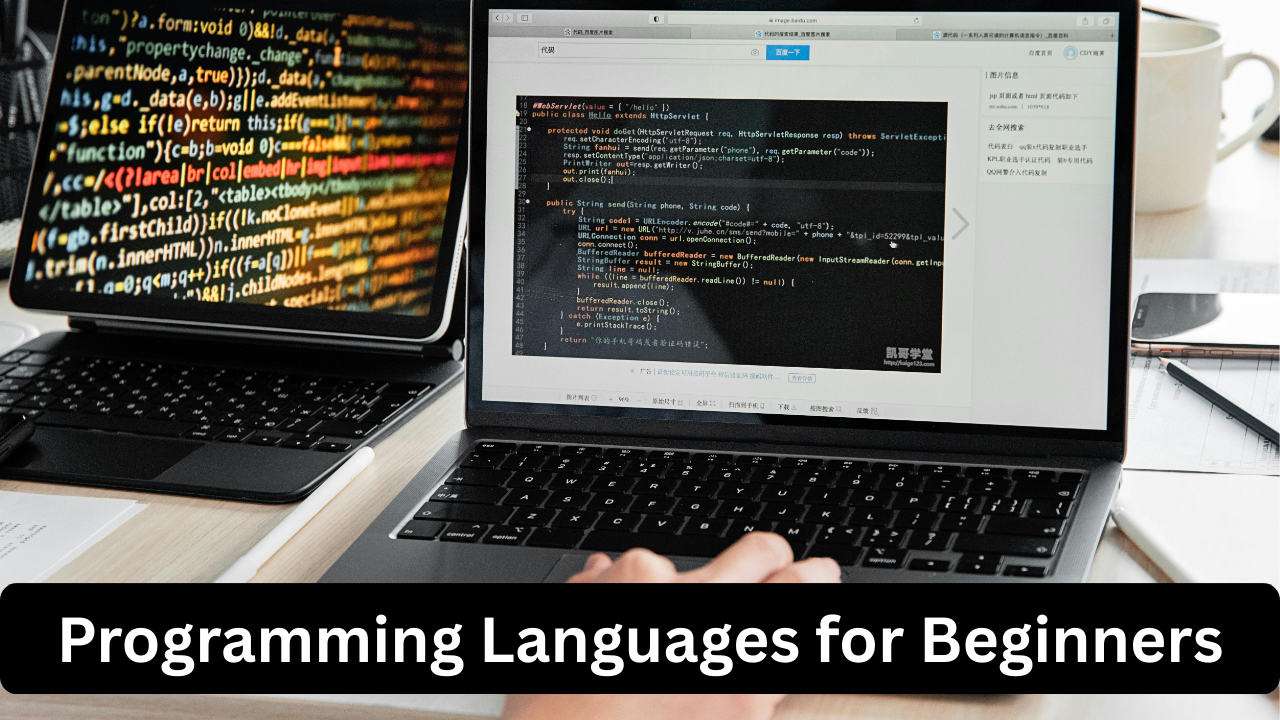
Python and JavaScript are the most beginner-friendly programming languages in 2025. Python is widely used for web development, data analysis, AI, and scripting. Its simple syntax makes it easy for beginners to understand coding logic. JavaScript, on the other hand, is essential for web development, enabling interactive websites and front-end features. Learning these languages provides a foundation for more advanced programming concepts like object-oriented programming, asynchronous coding, and API integration. Beginners can start with small projects like calculators, simple websites, or data analysis scripts, gradually progressing to larger projects. These languages also have large communities and extensive learning resources.
Web Development Tools
Web development involves building websites and applications that run in browsers. HTML provides the structure of web pages, while CSS handles styling, colors, and layouts. JavaScript adds interactivity, like animations and dynamic content. Frameworks such as React, Vue, and Angular simplify complex development tasks, making it easier to build responsive, modern web applications. Beginners should first master core HTML, CSS, and JavaScript before exploring frameworks. Practical projects, such as personal websites or simple web apps, reinforce learning. Knowledge of web development is crucial in 2025 because websites remain a central part of business, e-commerce, and communication, and front-end developers are in high demand.

Database Management Systems
Databases store and organize data for applications, websites, and analytics. SQL databases, like MySQL and PostgreSQL, follow structured schemas, while NoSQL databases, like MongoDB, allow flexible storage of unstructured data. Beginners should learn basic queries, CRUD operations (Create, Read, Update, Delete), and simple relationships between tables. Understanding when to use SQL vs. NoSQL is essential, as each has strengths depending on the application. Learning databases teaches logical thinking, data management, and backend integration. Real-world projects, like storing user information or analytics data, make the learning process practical. Database skills are indispensable for nearly every tech role.

Data Analysis & Visualization Tools
Data is the backbone of modern business decisions. Excel is a beginner-friendly tool for calculations, formulas, and basic data visualization. Power BI and Tableau are more advanced tools for creating interactive dashboards and reports. Beginners can start by analyzing sample datasets, applying formulas, and visualizing patterns through charts. Understanding data cleaning, filtering, and aggregation is key to meaningful insights. These tools help in communicating results effectively, supporting data-driven decision-making. In 2025, businesses rely heavily on data analytics, making knowledge of these tools valuable for careers in business analysis, marketing, finance, and operations.

AI & Machine Learning Tools
Artificial Intelligence (AI) and Machine Learning (ML) are rapidly growing fields. TensorFlow and PyTorch are popular frameworks for building ML models, from simple predictions to complex neural networks. Beginners should start with basic concepts like supervised learning, regression, and classification before moving to deep learning. Practical projects, such as image recognition or chatbots, help understand how AI models are trained and deployed. Learning AI tools provides a strong foundation for data science, automation, and predictive analytics. These skills are highly sought after in 2025, as AI integrates into industries like healthcare, finance, marketing, and robotics.
Mobile App Development Tools
Mobile apps dominate digital interactions, and building them is easier with frameworks like Flutter and React Native. Flutter uses Dart language and allows creating cross-platform apps with a single codebase. React Native, based on JavaScript, also enables cross-platform development with native performance. Beginners should learn the basics of app layout, navigation, and simple UI components before exploring APIs and device features. Hands-on projects, like a to-do app or weather app, reinforce concepts. Mobile app development skills are valuable in 2025, as demand for apps in e-commerce, social media, health, and gaming continues to grow worldwide.
Cybersecurity Basics & Tools
Cybersecurity is critical in protecting digital information from threats, hacks, and data breaches. Beginners should understand basic concepts like firewalls, antivirus software, secure passwords, and VPNs. Learning how to identify phishing attempts, malware, and unsafe networks is essential. Hands-on practice with security tools and simulated attacks helps understand vulnerabilities and defenses. Cybersecurity knowledge is crucial for individuals and businesses, as cyber threats increase in frequency and complexity. In 2025, even beginners in IT or programming should have foundational cybersecurity awareness, making systems safer and ensuring compliance with privacy regulations.
DevOps Tools
DevOps combines software development and IT operations to accelerate delivery while ensuring reliability. Docker allows developers to package applications and dependencies into containers, ensuring consistent environments across machines. Kubernetes is a container orchestration tool that manages and scales these containers efficiently. Jenkins automates continuous integration and deployment (CI/CD), reducing manual work and increasing productivity. Beginners should start with creating simple Docker containers, deploying them, and understanding basic Jenkins pipelines. Learning DevOps tools builds strong foundational skills in automation, collaboration, and system reliability. In 2025, DevOps expertise is critical for faster product delivery and maintaining cloud-native applications.
Collaboration Tools
Effective teamwork requires modern collaboration tools, especially in remote and hybrid work environments. Slack and Microsoft Teams enable real-time messaging, file sharing, and video conferencing, making communication seamless. Trello, a project management tool, helps organize tasks using boards, lists, and cards. Beginners should explore setting up channels, sharing documents, and tracking project progress. Understanding these tools improves productivity, transparency, and coordination in teams. In 2025, digital collaboration is standard across industries, and familiarity with these tools is not only useful for personal projects but also essential in professional settings where remote work and global teams are prevalent.
Automation Tools
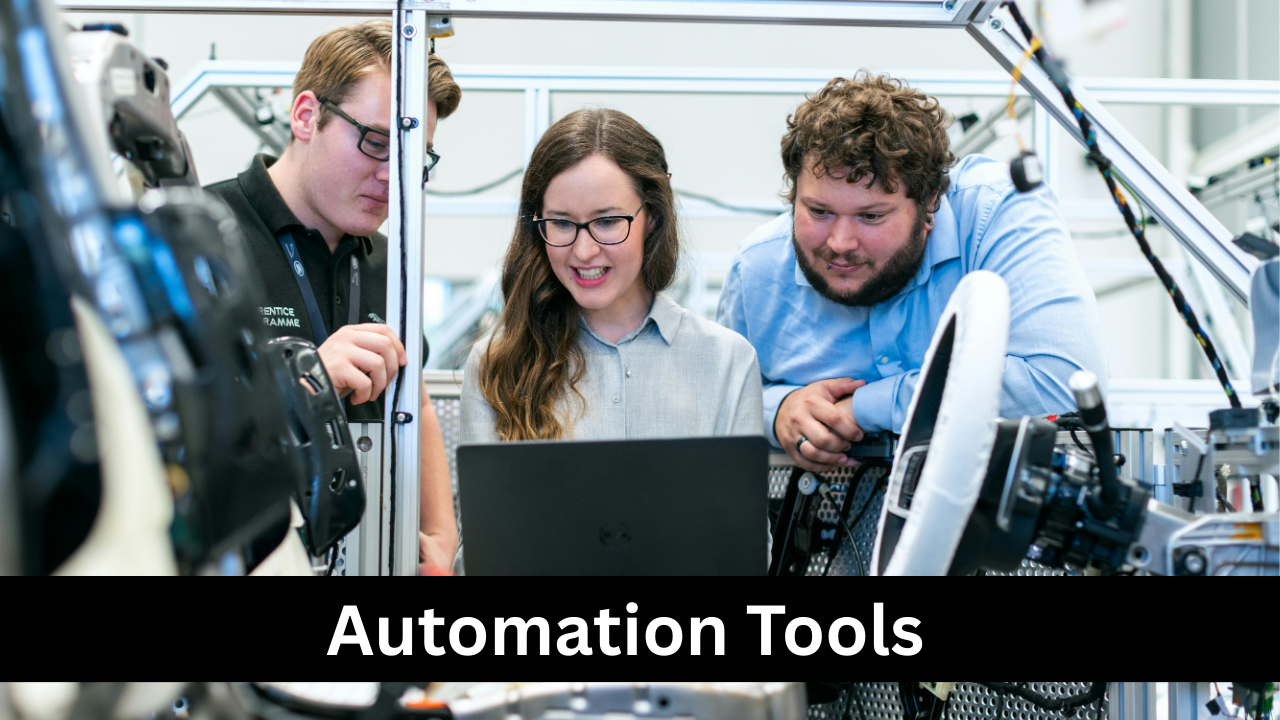
Automation tools streamline repetitive tasks and increase efficiency. Zapier and Integromat connect apps and create workflows without coding, while UIPath specializes in robotic process automation (RPA) for enterprise tasks. Beginners can start with simple automations like sending notifications when a form is filled or moving data between apps. Learning these tools saves time, reduces errors, and enhances productivity in both personal and professional projects. In 2025, businesses increasingly rely on automation for processes like marketing, data entry, and reporting. Early exposure to these tools equips beginners with practical skills for optimizing workflows and adding value to any organization.
Design & Prototyping Tools
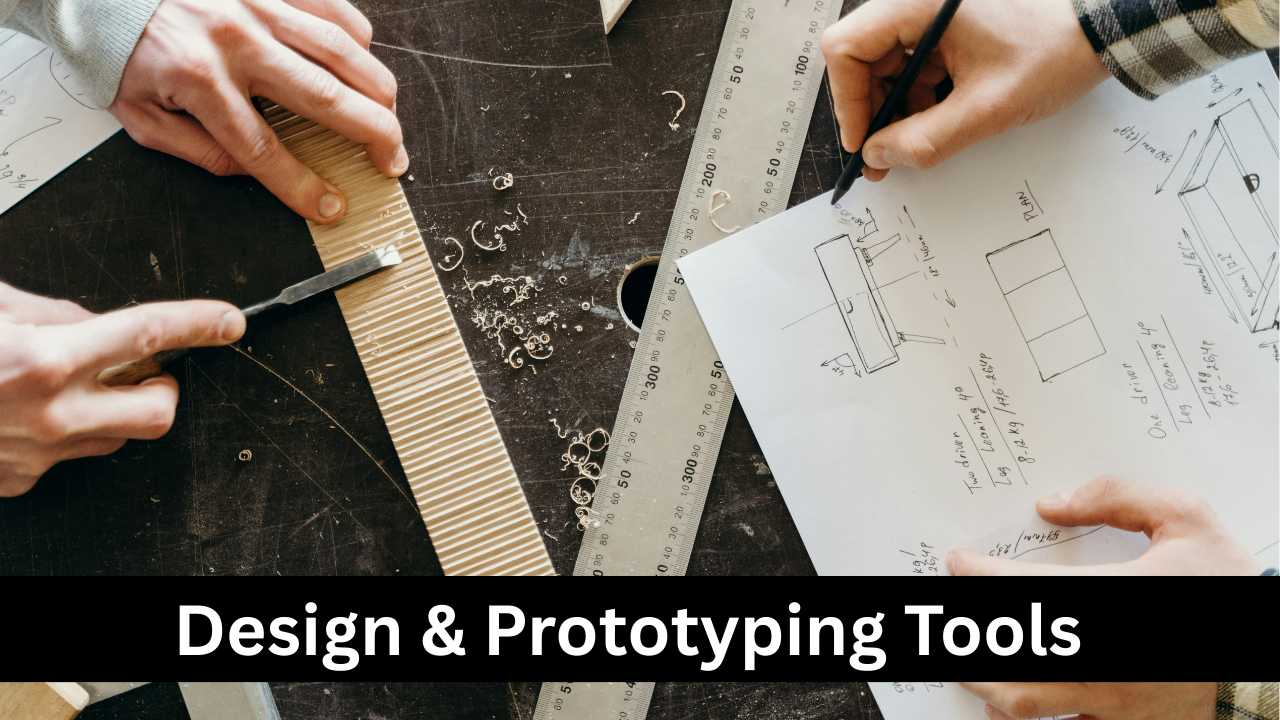
Design and prototyping are critical for creating intuitive user experiences. Figma allows collaborative interface design and prototyping, Canva is beginner-friendly for graphics and marketing materials, and Adobe XD offers advanced UX/UI design features. Beginners should start with wireframes, simple layouts, and visual elements, gradually experimenting with interactive prototypes. Understanding design principles improves communication, user satisfaction, and project planning. In 2025, even developers or business professionals benefit from design knowledge. Proficiency in these tools enhances portfolios, enables collaboration with designers, and prepares beginners for careers in web, app, and product development.

Content Management Systems (CMS)
CMS platforms simplify website creation without extensive coding. WordPress is the most widely used CMS, ideal for blogs, e-commerce, and portfolios, while Joomla provides flexibility for complex sites. Beginners should learn installation, themes, plugins, and basic customization. Understanding CMS allows users to manage content, optimize SEO, and maintain websites efficiently. Projects like personal blogs or small business websites offer practical learning opportunities. In 2025, CMS skills are valuable for digital marketing, website management, and freelance work. Learning CMS platforms equips beginners with both technical and creative skills needed for building and managing online presence effectively.

SEO & Marketing Tools
Search Engine Optimization (SEO) and marketing tools help websites gain visibility and track performance. Google Analytics provides insights on traffic, user behavior, and engagement, while SEMrush offers keyword research, competitor analysis, and SEO recommendations. Beginners should focus on understanding metrics, creating reports, and optimizing content for search engines. Knowledge of SEO tools improves content strategy, increases website traffic, and drives business growth. In 2025, digital marketing is a vital skill for online presence, e-commerce, and personal branding. Learning these tools early helps beginners understand how analytics, marketing strategy, and technology intersect to achieve measurable results.
Video & Multimedia Tools
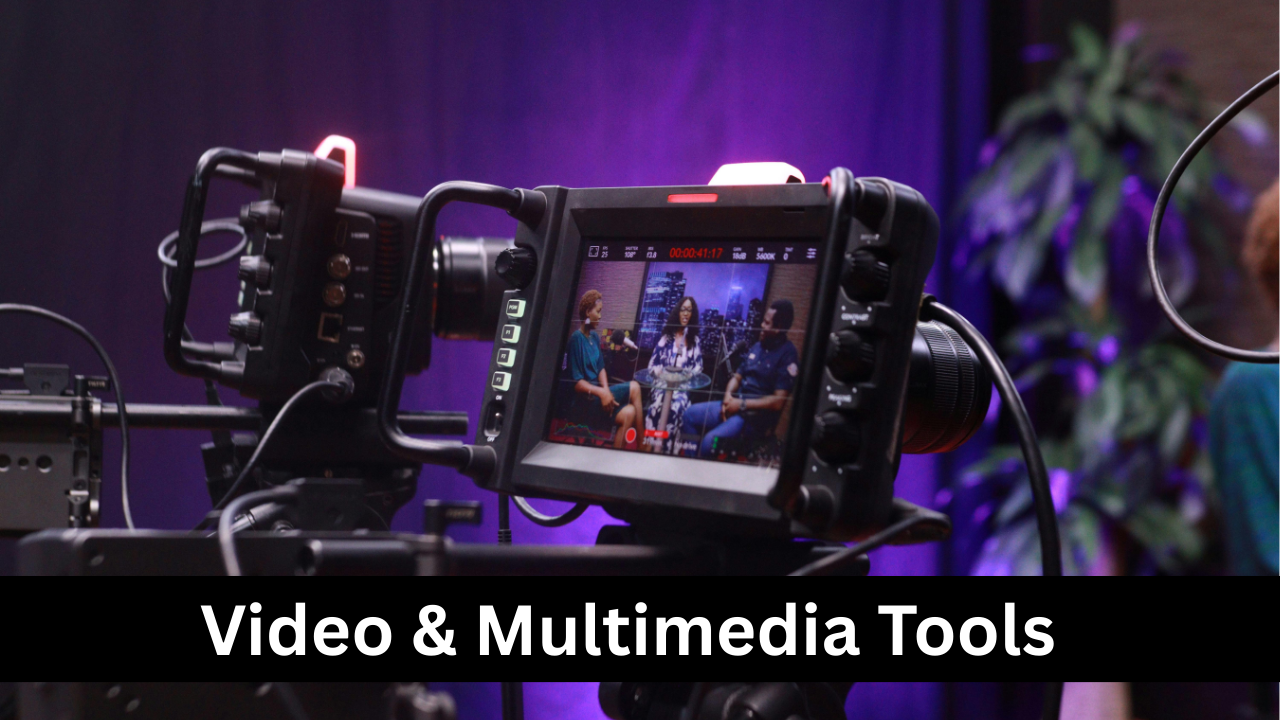
Video and multimedia content dominate digital communication and marketing. OBS Studio allows live streaming and screen recording, while Adobe Premiere Pro offers professional video editing capabilities. Beginners should start with basic recording, trimming, and adding effects before exploring advanced editing and transitions. Learning multimedia tools enhances storytelling, presentation, and content creation skills. In 2025, video is crucial for social media, e-learning, and corporate communication. Beginners with video editing skills can create tutorials, promotional content, and multimedia projects, improving engagement and expanding creative and professional opportunities across industries.

Virtual & Augmented Reality Basics
Virtual Reality (VR) and Augmented Reality (AR) create immersive digital experiences. Unity and Unreal Engine are powerful tools for building VR/AR applications, simulations, and games. Beginners should start with simple 3D objects, basic scenes, and interactive features, gradually moving to complex simulations. Learning VR/AR fundamentals introduces spatial reasoning, programming, and design thinking. In 2025, these technologies are applied in gaming, education, training, architecture, and marketing. Beginners exploring VR/AR gain early exposure to a high-demand field, preparing for careers in immersive technology development and providing opportunities to innovate in emerging digital experiences.

Blockchain & Cryptocurrency Tools
Blockchain enables secure, transparent digital transactions and decentralized applications (dApps). MetaMask is a cryptocurrency wallet and gateway to blockchain networks, while Solidity is a programming language for smart contracts on Ethereum. Beginners should learn wallet setup, transaction basics, and simple smart contract deployment. Understanding blockchain concepts, such as decentralization, consensus mechanisms, and cryptography, is crucial. In 2025, blockchain skills are valuable not only for cryptocurrency but also for supply chain, finance, and secure data management. Early exposure equips beginners with cutting-edge knowledge applicable in fintech, NFT development, and decentralized technology projects.
Continuous Learning Resources & Communities for Beginners
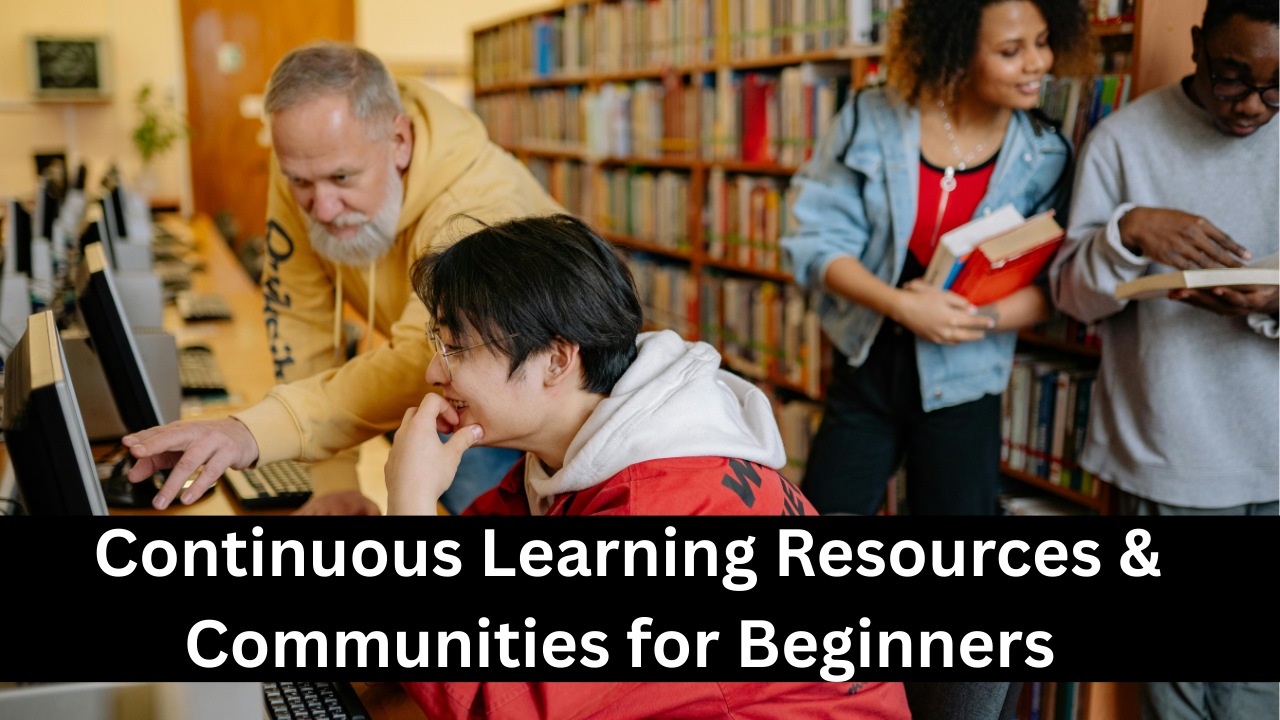
Technology evolves rapidly, making continuous learning essential. Beginners should leverage online courses, tutorials, forums, and communities like Stack Overflow, GitHub, and Coursera. Active participation in communities helps in problem-solving, networking, and staying updated with trends. Following industry blogs, newsletters, and webinars ensures knowledge of new tools and best practices. Continuous learning fosters adaptability, creativity, and confidence. In 2025, tech professionals who actively learn and engage with communities stay competitive and innovative. Beginners investing time in self-learning develop not only technical skills but also the mindset necessary for long-term growth and career advancement in technology.